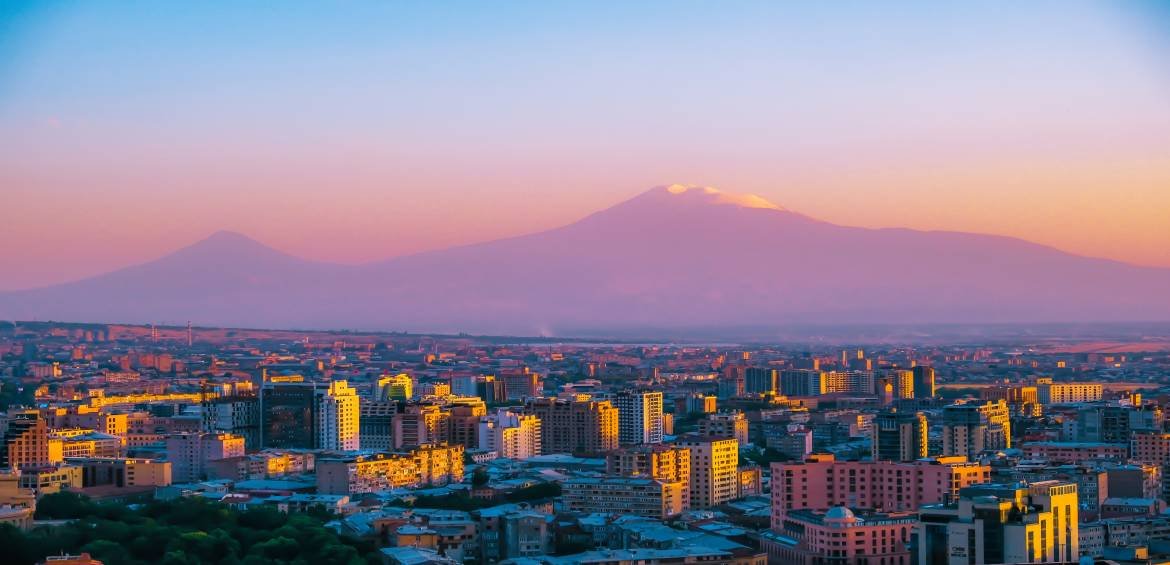
Armenia, often called an "open-air museum," is a land of dramatic highlands, ancient Christian heritage, and a rapidly evolving modern culture. As the first nation to adopt Christianity as a state religion (in 301 AD), much of its tourism revolves around breathtaking medieval monasteries, though its capital, Yerevan, offers a surprisingly cosmopolitan contrast for its pink volcanic tuff architecture and the lively Republic Square.
The country’s landscape is a dramatic blend of rugged mountains and lush valleys. Key highlights include:
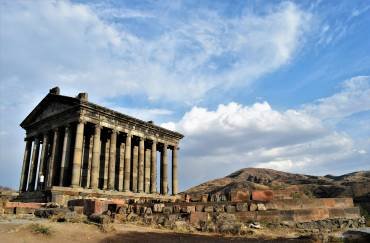
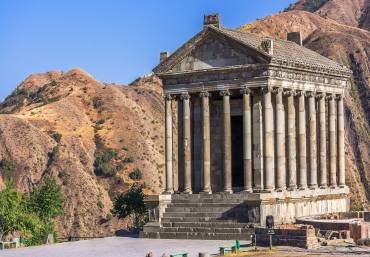
- Ancient Heritage: The sun-drenched Garni Temple and the rock-cut Geghard Monastery showcase pre-Christian and medieval brilliance.
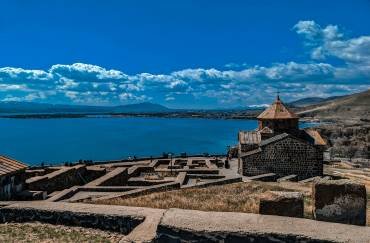
- Natural Wonders: Lake Sevan, the "blue pearl" of the Caucasus, sits nearly 2,000 meters above sea level, while Dilijan offers "Little Switzerland" vibes with its dense forests.
- Spiritual Icons: The Khor Virap monastery provides the most iconic view of the biblical Mount Ararat.
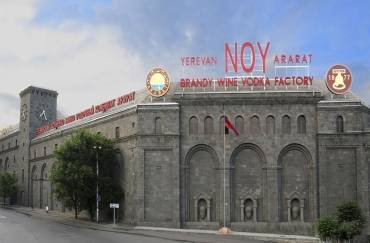
With world-class brandy, a flourishing wine scene in Areni, and the record-breaking Wings of Tatev cable car, Armenia combines ancient soul with warm, modern hospitality.
The "Pink City": Yerevan
The heart of the country is its capital, Yerevan, known as the "Pink City" due to the rosy volcanic tuff stone used in its architecture.
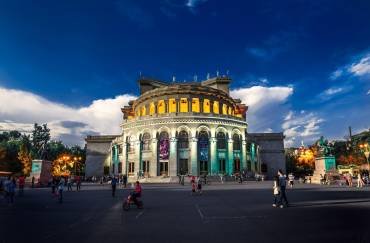
- Republic Square: The city's center, famous for its neoclassical buildings and the "Singing Fountains" that perform light and music shows every summer evening.
- The Cascade Complex: A massive limestone stairway featuring modern art sculptures, fountains, and a panoramic view of the city with Mount Ararat towering in the background.
- Matenadaran: A world-class museum and institute housing one of the world's largest collections of ancient medieval manuscripts.
- Tsitsernakaberd: A poignant memorial and museum dedicated to the 1.5 million victims of the 1915 Armenian Genocide.
Iconic Spiritual Sites
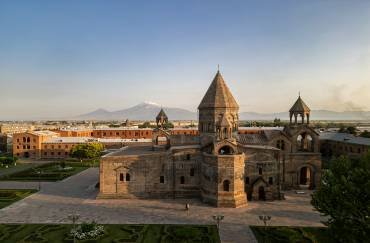
Armenia’s history is etched into its stone churches, many of which are UNESCO World Heritage sites.
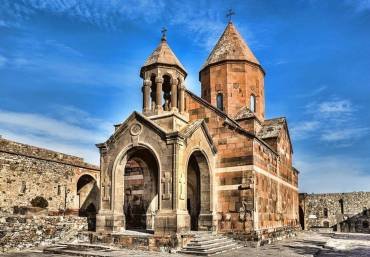
- Khor Virap: Perhaps the most photographed spot in Armenia. This monastery sits on a hill in the Ararat plain, providing the closest and most spectacular view of Mount Ararat.
- Geghard Monastery: A unique architectural marvel partially carved directly into the adjacent mountain cliffs. It is famous for its incredible acoustics and medieval carvings.
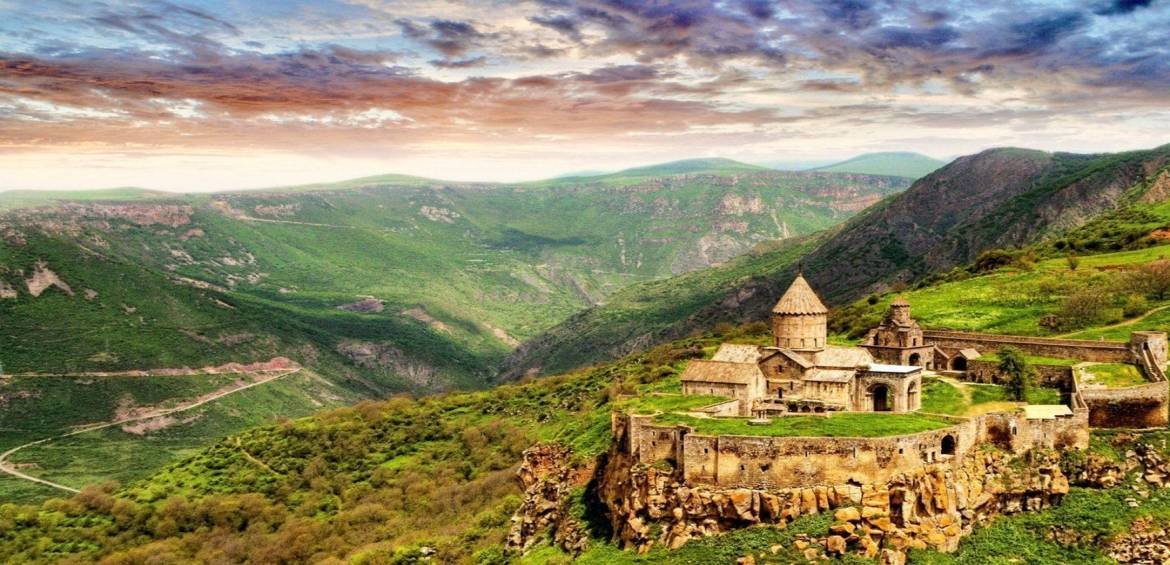
- Tatev Monastery: Perched on a high basalt plateau overlooking the Vorotan River Gorge. To reach it, you can ride the "Wings of Tatev," the world’s longest reversible aerial tramway.
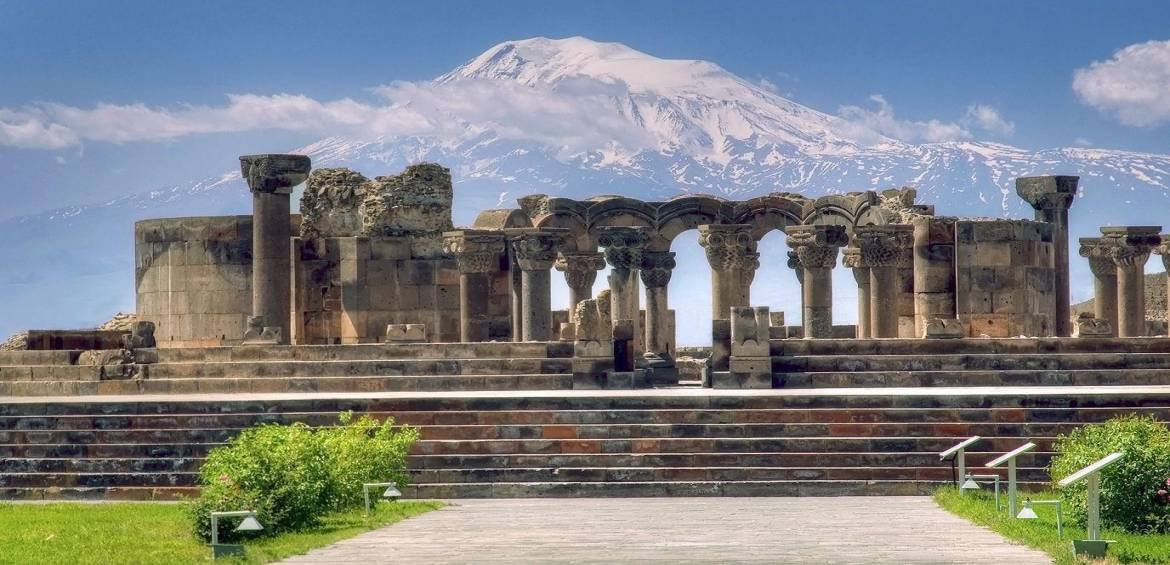
- Garni Temple: Located near Geghard, this is the only Greco-Roman colonnaded building standing in Armenia today, a remnant of the country’s pre-Christian era.
Nature and Landscapes
Beyond the stone walls of monasteries, Armenia offers lush forests and high-altitude lakes.
- Lake Sevan: Known as the "Blue Pearl of Armenia," this is one of the largest high-altitude freshwater lakes in the world. The Sevanavank Monastery sits on a peninsula overlooking its turquoise waters.
- Dilijan National Park: Often called "Armenian Switzerland," this region is a haven for hikers, characterized by dense forests and hidden medieval gems like Haghartsin Monastery.
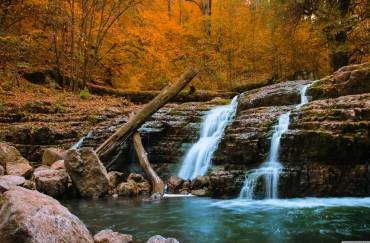
- Jermuk: A peaceful spa town famous for its healing mineral waters and the 70-meter-high Jermuk Waterfall.
- Mount Aragats: The highest peak in Armenia, popular for summer trekking and home to the 7th-century Amberd Fortress.
Hidden Gems & Culture
- Areni Wine Region: Home to the world's oldest known winery (discovered in a cave dating back 6,000 years). It remains the center of Armenian viticulture today.
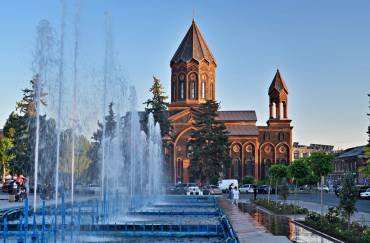
- Gyumri: The country’s second-largest city, celebrated for its unique 19th-century black-and-red tuff architecture and a thriving arts scene.
- Khndzoresk: An ancient cave village where residents lived in rock-cut dwellings until the mid-20th century, accessible via a thrilling suspension bridge.


.png?v=20261028064535 "DMC Holidays")